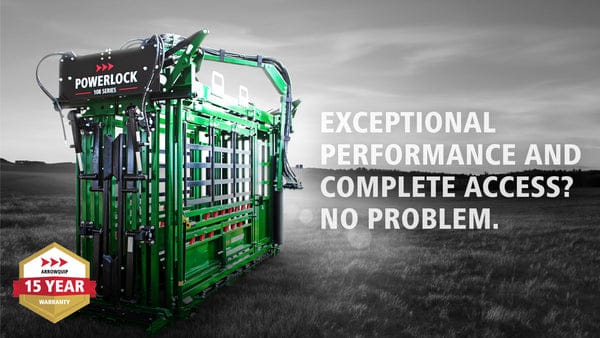
It’s one of the first questions every producer runs into when shopping for a cattle chute: manual or hydraulic? Manual chutes have their place, but more and more producers — even on small and mid-size operations — are making the switch to hydraulic, and once you see the difference in speed, safety, and how much easier it is on your body, it’s not hard to see why. Here’s a straight breakdown of both, and why hydraulic is worth a serious look even if you weren’t originally shopping for one.
The Core Difference
A manual cattle chute is operated entirely by hand — levers control the headgate and squeeze mechanism, and the handler provides the force. A hydraulic cattle chute uses a hydraulic pump and cylinders to close the headgate and squeeze sides, typically controlled from a single panel, often by one person with far less physical effort.
Hydraulic Cattle Chutes
Pros
- Dramatically faster processing — get more cattle through in less time
- Far less physical effort and fatigue for the handler, even after hours of processing
- Smooth, consistent, adjustable pressure reduces animal stress, struggle, and bruising compared to a hand-forced squeeze
- True one-person operation, even on large or powerful animals — no need for extra hands on the levers
- Precise control means less risk of over-squeezing or under-catching, which protects both the animal and your equipment
- Lower physical injury risk for handlers, since the chute — not your back and shoulders — is doing the work
- Pays for itself over time in labor savings and reduced crew needed on processing day
Trade-Offs
- Higher upfront cost than a comparable manual chute
- A pump, hoses, and cylinders to maintain, though routine upkeep is straightforward
- Cold-weather care for hydraulic fluid, which proper storage and maintenance easily handles
Manual Cattle Chutes
Pros
- Lower upfront cost
- Fewer moving parts
- Simple to learn and operate
Trade-Offs
- Requires real physical effort from the handler, every animal, every time
- Slower processing, which adds up fast once herd size or frequency increases
- Harder for one person to control smoothly on larger or stronger cattle
- More physically demanding on handlers over a long processing day, with higher fatigue-related injury risk
Cost Comparison at a Glance
| Factor | Manual Chute | Hydraulic Chute |
|---|---|---|
| Upfront Cost | Lower | Higher |
| Long-Term Maintenance | Lower — fewer moving parts | Higher — pump, hoses, cylinders |
| Processing Speed | Slower, more hands-on | Faster, especially at volume |
| Physical Effort | Higher | Lower |
| Best Fit | Small to mid-size herds, tighter budgets | High-volume operations, limited crew |
Which One Should You Choose?
Choose manual if you’re running a smaller herd, processing cattle occasionally rather than constantly, want lower maintenance, or are working with a tighter equipment budget. For many cow-calf operations and smaller dairies, a well-built manual chute like the Arrowlock 55 or 75 Series covers everything you need without the added cost and upkeep of hydraulics.
Choose hydraulic if you’re processing high volumes of cattle regularly, often working with limited crew, or handling larger, stronger animals where reduced physical effort and faster cycle times genuinely change how your processing day goes.
Frequently Asked Questions
Is a manual or hydraulic cattle chute better for a small herd?
For smaller herds, a manual chute is usually the better fit since it costs less upfront, requires less maintenance, and handles lower processing volume without needing the added speed a hydraulic chute provides.
How much more does a hydraulic cattle chute cost than a manual one?
Hydraulic cattle chutes typically cost more than comparable manual chutes due to the added hydraulic pump, cylinders, and controls, though the exact difference depends on brand and features. Contact Riverland Farm & Ranch Equipment for current pricing on specific models.
Does a hydraulic cattle chute require more maintenance than a manual chute?
Yes, generally. Hydraulic chutes have a pump, hoses, and cylinders that need periodic maintenance and can potentially leak or fail, while manual chutes have fewer moving parts and lower long-term maintenance needs.
Can one person operate a hydraulic cattle chute alone?
Yes, most hydraulic chutes are designed for one-person operation with a single control panel, which is one of the main reasons producers processing high volumes or working with limited crew choose hydraulic over manual.
Which type of cattle chute does Riverland Farm & Ranch Equipment recommend?
The right choice depends on herd size, processing volume, and budget. The team at Riverland Farm & Ranch Equipment can walk producers through both manual and hydraulic options to find the best fit for their specific operation.
Still Deciding Between Manual and Hydraulic?
Talk to Riverland Farm & Ranch Equipment about your herd size, budget, and processing needs, and we’ll help you find the right chute — manual or hydraulic — proudly serving Wisconsin and cattle producers across the United States.