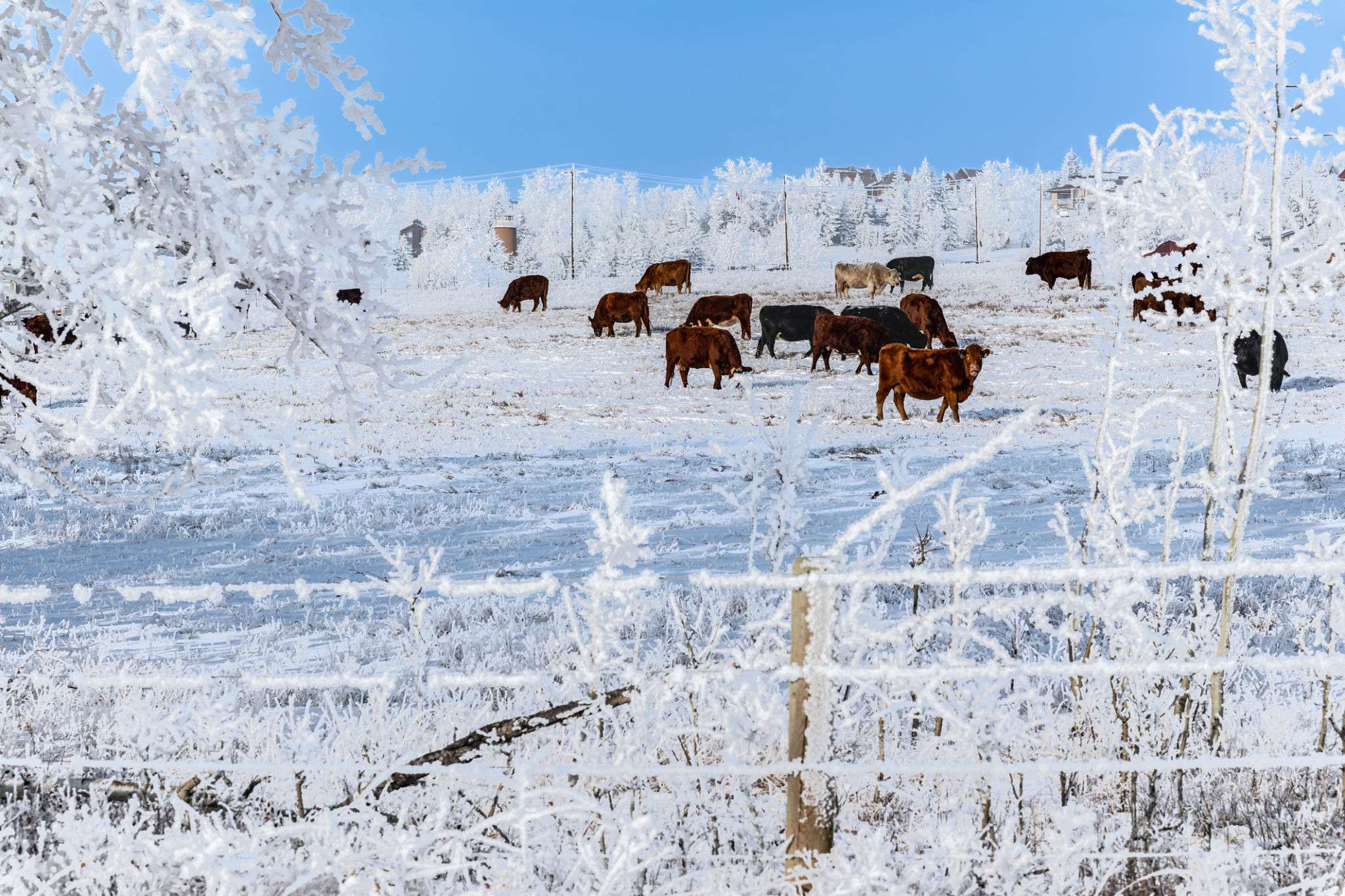
Wisconsin winters don’t leave much room for error. Equipment that gets ignored in the fall has a way of failing at the worst possible moment — mid-January, with frozen ground and a chute that won’t latch. Here’s a practical checklist to get your handling equipment, fencing, and facility ready before the weather turns.
Cattle Chute & Headgate
- Check and lubricate all hinges, latches, and moving mechanisms with a cold-weather-rated lubricant
- Inspect for rust or corrosion and address it before it worsens under winter moisture and salt
- Test the headgate and squeeze mechanism through a full range of motion to catch stiffness early
- Check welds and joints for cracks or looseness before cold makes steel more brittle
- Clear tracks and rollers (rear doors, sliding panels) of built-up dirt or debris that can freeze solid
Hydraulic Equipment
- Check hydraulic fluid levels and inspect hoses and seals for leaks
- Consider switching to a cold-weather-rated hydraulic fluid if your current fluid thickens significantly in low temperatures
- Run the system through a full cycle to check for sluggish or delayed response before relying on it in freezing conditions
Alleyways, Tubs & Panels
- Check for loose bolts, leaning panels, or weakened connection points
- Clear any buildup of mud or debris that will freeze and create uneven, slippery footing
- Confirm gates swing and latch freely, since ice buildup can jam poorly maintained hardware
Fencing
- Walk fence lines and replace or straighten leaning or rotted posts before the ground freezes
- Tighten slack wire while posts and ground conditions still allow for easy adjustment
- Replace cracked or damaged insulators on electric fence lines
- Stock up on replacement posts, wire, and clips while repairs are still easy to make
Facility & Water Systems
- Insulate or prepare water tanks and lines against freezing
- Check lighting around working areas, since shorter days mean more handling happens in low light
- Stock extra bedding and windbreak materials for holding pens near the working facility
Frequently Asked Questions
When should cattle producers start winterizing their equipment?
Most producers start winterizing equipment and facilities in early to mid fall, before the first hard freeze, giving enough time to make repairs or order replacement parts before winter weather sets in.
What parts of a cattle chute need winter attention?
Headgate latches, hinges, and any moving mechanisms should be checked and lubricated with a cold-weather-rated product, and any rust or wear should be addressed before cold weather makes repairs more difficult.
How does cold weather affect hydraulic cattle chutes?
Cold temperatures can thicken hydraulic fluid and affect seals, so hydraulic chutes should be checked for leaks, have fluid levels verified, and in some cases use a cold-weather-rated hydraulic fluid before winter.
What fencing issues should be addressed before winter?
Loose or leaning posts, slack wire, and damaged insulators should be repaired before winter, since frozen ground and snow make fence repairs significantly more difficult once the season turns.
Can Riverland Farm & Ranch Equipment help with winter equipment prep?
Yes, Riverland Farm & Ranch Equipment carries replacement parts, hardware, and fencing supplies to help producers get equipment and fence lines ready before winter weather arrives.
Get Winter-Ready Before the First Freeze
From replacement parts to fencing supplies, Riverland Farm & Ranch Equipment has what you need to get your handling facility and fence lines ready for winter — proudly serving Wisconsin and cattle producers across the United States.