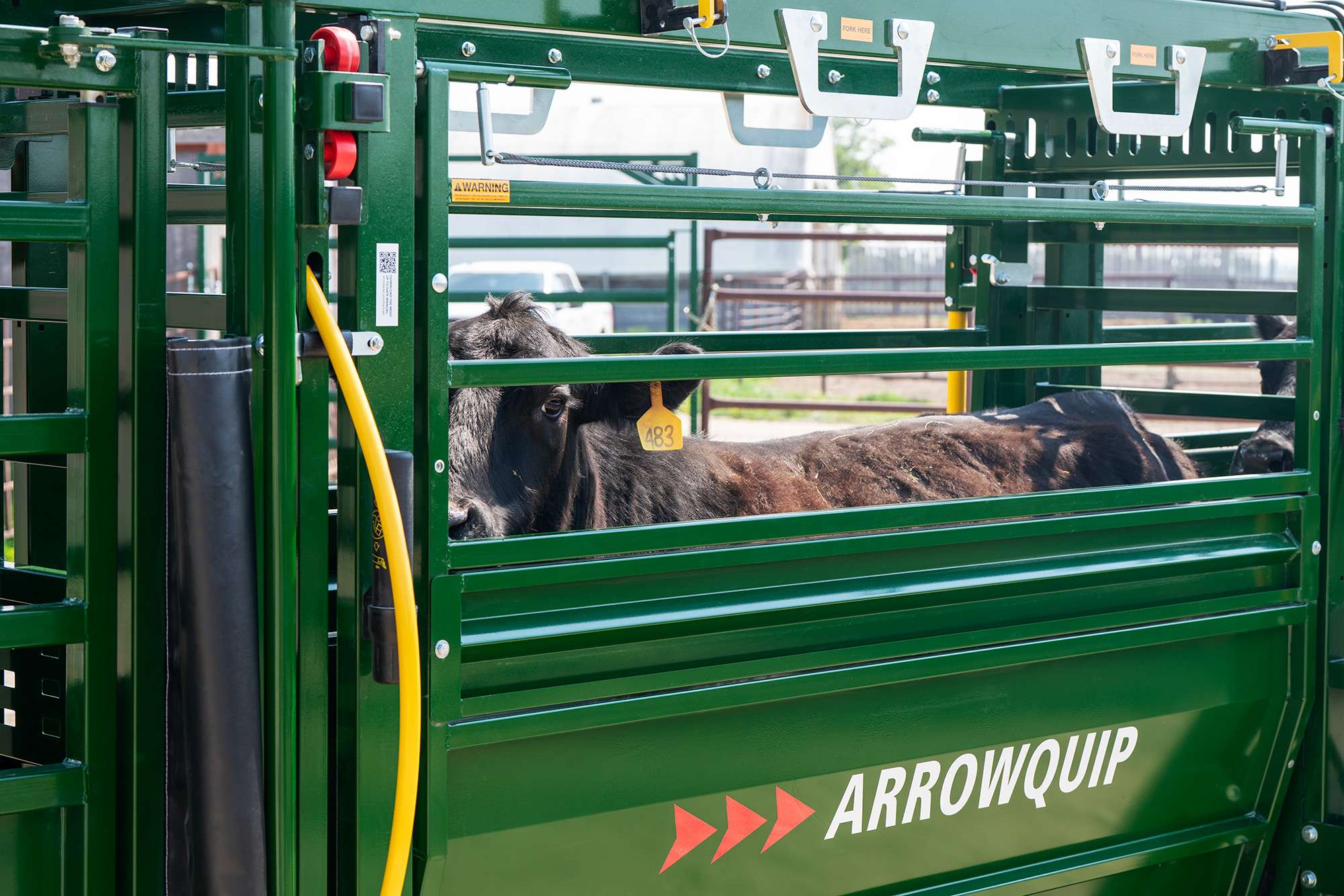
Ask most producers what matters most in a handling system, and they’ll point straight at the chute. It’s the expensive piece, the one with the warranty, the one that gets all the attention when shopping. But here’s the thing almost nobody tells you: the alleyway leading up to the chute is often the real make-or-break piece of the whole system — and in a lot of cases, it causes more handling problems than the chute ever does.
Cattle Never Reach the Chute Without Going Through the Alley First
A chute only works on an animal that’s already calm and willing to move forward. By the time cattle reach the headgate, they’ve already been shaped by everything that happened on the way there — the alley, the tub, the turns, the sights and sounds along the path. A perfectly engineered chute can’t undo an animal that arrives already agitated, balking, or fighting. The alleyway is where that outcome gets decided, long before the animal ever reaches the headgate.
What a Bad Alley Actually Costs You
Balking and Backups
An alley with poor sightlines, straight dead-end layouts, or visible distractions causes cattle to stop, turn, and bunch up — turning a simple processing day into a wrestling match before anyone even reaches the chute.
Stressed Animals at the Headgate
Cattle that fight their way down a poorly designed alley arrive at the chute already stressed, making the headgate capture rougher, slower, and more dangerous for both the animal and the handler.
Wasted Time
Every balk, backup, and retry in the alley adds minutes to processing day — multiplied across every single animal in the herd, it can turn a half-day job into a full day.
Handler Risk
Frustrated handlers pushing cattle through a bad alley design often end up working closer to the animals than they should, in tighter spaces, which is where a lot of handling injuries actually happen — not at the chute itself.
What Makes an Alleyway Actually Work
Curved, Not Straight
Cattle have a natural instinct to circle back toward where they came from. A curved alley works with that instinct, keeping animals moving forward in a way that feels natural rather than forcing them down a straight path toward what looks like a dead end.
Solid Sides
An open-sided alley lets cattle see people, vehicles, shadows, and movement outside the path — any one of which can stop an animal cold. Solid sides remove those distractions and keep the animal’s focus on moving forward.
Correct Width
Too wide, and cattle can turn around inside the alley. Too narrow, and animals can get hung up or injured trying to move through. Getting the width right for your herd’s frame size keeps animals moving in a single, controlled direction.
Solid Footing
An animal that slips once in the alley becomes noticeably harder to move through it a second time. Secure, non-slip footing keeps cattle confident through the entire length of the alley, not just at the chute.
Think of the Alley as Part of the Chute, Not Separate From It
The best approach is to stop thinking of the chute and the alley as two separate purchases, and start thinking of them as one system. A top-tier chute fed by a poorly designed alley will still produce stressed, difficult animals. A modest chute fed by a well-designed alley often outperforms it. If you’re investing in handling equipment, the alley deserves just as much thought as the chute it leads to — maybe more.
Frequently Asked Questions
Why is a cattle alleyway as important as the chute?
Cattle only reach the chute by moving through the alleyway first, so if the alley causes balking, backups, or stress, animals arrive at the chute already agitated, making even a well-built chute harder and less safe to operate.
Should cattle alleyways be curved or straight?
Curved alleyways generally work better because they take advantage of cattle’s natural tendency to circle back toward where they came from, keeping animals moving forward instead of balking at what looks like a dead end.
Do cattle alleyways need solid sides?
Solid-sided alleyways block outside distractions like people, vehicles, and shadows that can cause cattle to stop or try to turn back, making them generally more effective than open-sided designs for calm, efficient movement.
Can a good alleyway fix problems with cattle balking at the chute?
Often, yes. Many handling problems blamed on the chute actually start with how cattle move through the alleyway leading up to it, so improving alley design and reducing distractions can resolve balking issues that look like chute problems.
Does Riverland Farm & Ranch Equipment sell cattle alleyways?
Yes, Riverland Farm & Ranch Equipment supplies cattle alleyways and complete handling systems, and can help design a layout suited to how cattle actually move through a specific facility.
Build a System, Not Just a Chute
If you’re planning a new working facility or trying to fix recurring handling problems, let Riverland Farm & Ranch Equipment help you design an alleyway and chute setup that work together — proudly serving Wisconsin and cattle producers across the United States.